Canon EOS M50 vs EOS R100: Which to Buy? (November 2026)
Pick the Canon EOS M50 Mark II for the flip-out screen and vlogging kit; pick the EOS R100 for the electronic viewfinder and the newer RF lens mount. The M50 Mark II scores 9.7 and wins overall, while the R100 is the better long-term base for stills.
On this page (8 sections)
- How do the M50 Mark II and R100 differ at a glance?
- Which camera is better for vlogging and self-filming?
- Which has the better screen for stills?
- Which mount should you build on?
- How does autofocus compare?
- Which is better in low light and everyday stills?
- Which camera should you buy?
- How do these two compare with other beginner cameras?
Pick the Canon EOS M50 Mark II for the flip-out screen and vlogging kit; pick the EOS R100 for the electronic viewfinder and the newer RF lens mount. In this canon eos m50 vs canon eos r100 comparison, the M50 Mark II scores 9.7 and wins overall, while the R100 at 9.6 is the better base for stills and lens growth.
The two cameras share a 24MP APS-C sensor and the DIGIC 8 processor, so image quality is close. The choice comes down to how you frame shots, whether you film yourself, and which lens mount you want to build on.
 Best for vlogging and everyday shooting
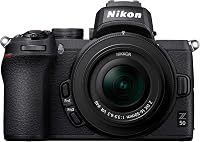
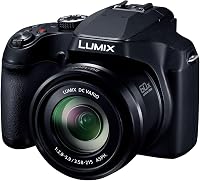
Canon EOS M50 Mark II + EF-M 15-45mm is STM Kit Black
 Best for viewfinder stills and RF-mount growth
Canon EOS R100 Mirrorless Camera with RF-S 18-45mm Lens Bundle
How do the M50 Mark II and R100 differ at a glance?
The M50 Mark II wins on screen flexibility and the R100 wins on the viewfinder and mount. Both are compact APS-C mirrorless cameras, but they're built for slightly different shooters.
The M50 Mark II ships with the EF-M 15-45mm kit lens, and the R100 ships with the RF-S 18-45mm kit lens. That mount difference shapes what you can add later more than the sensor specs do.
| Feature | M50 Mark II | EOS R100 |
|---|---|---|
| Sensor | 24.1MP APS-C | 24.2MP APS-C |
| Processor | DIGIC 8 | DIGIC 8 |
| Screen | Vari-angle touchscreen | Fixed 3-inch LCD |
| Viewfinder | Not in this kit | 2.36m-dot OLED EVF |
| Video | 4K 24p, HD 120p | 4K 24p with crop, Full HD 60p |
| Mount | EF-M | RF |
| Kit lens | EF-M 15-45mm IS STM | RF-S 18-45mm IS STM |
Where the two kits actually overlap
Both cameras sit on a 24MP APS-C sensor and use the DIGIC 8 image processor. Both kits also pair the body with a compact standard zoom that starts at a wide angle.
Both list 143 autofocus points. That shared foundation means neither camera is a shortcut on core image quality, so the decision rests on handling and system.
The gaps are in the physical design and the mount. One screen moves and one does not, and only one kit includes an OLED eyepiece.
What each kit includes in the box
The M50 Mark II kit bundles the body with the EF-M 15-45mm f/3.5-6.3 IS STM lens. The zoom runs from wide angle to short telephoto, covering everyday scenes without a second lens.
The R100 bundle pairs the body with the RF-S 18-45mm f/4.5-6.3 IS STM lens, a similar range with built-in image stabilization. The R100 body lists no flash, while the M50 Mark II lists a hotshoe.
Which camera is better for vlogging and self-filming?
The M50 Mark II is the better vlogging camera because its screen flips to face you. A vari-angle touchscreen lets you frame yourself while recording, and that matters more than small sensor differences for talking-head video.
The M50 Mark II offers 4K UHD at 24p and HD at 120p for slow motion. Eye detection AF works during video with Movie Servo AF, so the camera can keep your face sharp as you move.
The R100 shoots 4K 24p but with a crop, and its screen is fixed. That combination makes self-filming harder, since you can't see yourself in the frame from the front.
How the video specs line up
The M50 Mark II's 120p HD mode is the more distinctive one for everyday creators, because it lets you stretch a moment into a slow clip. It offers clean HDMI output for high-resolution streaming, and its Wi-Fi works with the EOS Webcam Utility software.
The R100 lists 4K 24p with a crop and Full HD 60p. Its 60p is smoother than 24p for motion, but its 4K crop narrows the field of view.
It also lists Wi-Fi and Bluetooth for phone transfers, though it is not pitched as a livestreaming camera.
Where the R100 still works for video
The R100 is fine for tripod video, interviews and viewfinder framing. Its Dual Pixel CMOS AF with 143 AF zones tracks faces and subjects well, and Full HD 60p gives smoother motion than 24p.
Pick the R100 for video only if you don't need to see yourself while recording. If you plan to vlog, the M50 Mark II's screen is the deciding feature.
Which has the better screen for stills?
The M50 Mark II wins on screen flexibility for stills, while the R100 frames through its electronic viewfinder. The M50 Mark II's vari-angle touchscreen helps for low angles and overhead shots, though it can wash out in direct sun.
The R100's screen is fixed, so it won't flip up or out. Its 2.36m-dot OLED electronic viewfinder is the main way to frame in bright light, since looking through an eyepiece cuts glare and steadies your hold.
Pick the M50 Mark II if you shoot from the waist, overhead or in front of you. Pick the R100 if you mostly frame at eye level and want a clear view in daylight.
If you often shoot outdoors and also film yourself, neither is perfect.
The M50 Mark II's screen is a touchscreen, so you can tap to focus and tap to shoot. That is the most direct way for a beginner to tell the camera what matters in the frame.
The R100's OLED EVF is the primary tool for careful stills, and an eyepiece view is often easier to steady.
Which mount should you build on?
The R100's RF mount is the newer Canon system and the safer base for future lenses. The M50 Mark II uses the EF-M mount, which is older and less central to Canon's current lineup.
That doesn't make the M50 Mark II a dead end for casual shooting. Its EF-M 15-45mm kit lens covers wide to short telephoto, which handles most everyday photos and video.
If you plan to add lenses over time, the RF mount gives you more current options. Canon's RF-S lenses fit the R100 directly, while EF-M lenses won't fit RF cameras without an adapter.
The M50 Mark II's mount listing also includes Canon EF-S and EF lenses. Those come into play with an adapter, so the EF-M camera can still draw on a large back catalog of Canon glass, including used lenses you may already own.
The R100 points you at the current mirrorless system, where new lenses are being designed. The honest summary: the M50 Mark II is flexible today, and the R100 is better positioned for tomorrow.
How does autofocus compare?
Both cameras use Dual Pixel CMOS AF with 143 autofocus points, so focus performance is close. The difference is how each one uses eye detection.
The M50 Mark II's eye detection works in stills and during video with Movie Servo AF. It recognizes eyes and faces at a greater distance than before, and eye and face detection can both run during Servo AF.
That's a real advantage for filming people who move in and out of frame.
The R100's Dual Pixel CMOS AF covers a wide part of the frame and tracks people, faces and stationary subjects. Its autofocus technology listing names phase detection, which is the same core approach.
For most beginners, both will lock on quickly.
Which is better in low light and everyday stills?
Both cameras share a 24MP APS-C sensor and the DIGIC 8 processor, so stills quality is close. The M50 Mark II lists ISO 100–25600 with an expanded 51200, and its Auto Lighting Optimizer helps balance contrast.
The R100's beginner-friendly scene modes and simplified menus make the first weeks easier. Neither camera is a low-light specialist, so for dim rooms a faster lens will do more than switching between these two bodies.
The M50 Mark II lists a 14-bit bit depth and a maximum still resolution of 6000 x 4000. The 14-bit figure gives you more room to adjust shadows and highlights when you edit raw files.
The R100 lists a 12-bit bit depth, which is still plenty for everyday photos but suggests less editing headroom.
Both cameras use SD cards. The M50 Mark II lists SDHC and SDXC support, and the R100 lists an SD card slot, so the same everyday cards work in either.
Which camera should you buy?
Buy the Canon EOS M50 Mark II if you vlog, film yourself or want a flip screen; buy the EOS R100 if you shoot stills through a viewfinder and want the RF mount. The M50 Mark II takes the overall win for its flexibility at 9.7, but the R100 at 9.6 is the stronger long-term camera for stills.
Pick the M50 Mark II when the screen matters most. Its vari-angle touchscreen, eye detection during video and 15-45mm kit lens make it a ready-to-go content camera.
Add its 4K 24p and HD 120p video and its streaming and webcam options, and it covers a creator's workflow without extra gear.
Pick the R100 when you frame through the eyepiece and plan to add lenses. The 2.36m-dot OLED viewfinder, RF mount and stabilized 18-45mm lens give you room to grow.
Its 6.5 fps electronic shutter burst and Full HD 60p keep it comfortable for everyday stills and tripod video.
If you're still weighing beginner options more broadly, our Nikon vs Canon camera comparison helps frame the brand choice. For a budget DSLR alternative, see the Canon EOS Rebel T7 review, and our Canon Rebel T7 vs R100 breakdown shows how the older DSLR stacks up.
How do these two compare with other beginner cameras?
The M50 Mark II and R100 sit in a crowded beginner field, so compare the features you'll actually use. The M50 Mark II leans toward video, while the R100 leans toward stills and lens growth.
If you're comparing mirrorless options across brands, our Canon R10 vs Nikon Z50 II comparison covers a step up in price and capability. That's worth a look if neither of these feels quite right.
When to step up instead
Choose a higher-tier body if you need faster continuous shooting or a better viewfinder and screen together. The R100's 6.5 fps electronic shutter is fine for everyday shots but not for fast action.
The M50 Mark II's 120 fps continuous shooting figure in the specs is a burst-rate spec for specific modes, so don't read it as a guarantee for every situation.
Buy once and buy for the way you shoot. If you film yourself, the flip screen decides it.
If you mostly look through a viewfinder and plan to collect lenses, the R100 is the calmer long-term choice.
Frequently asked questions
Is the Canon EOS M50 or the EOS R100 better for beginners?
Both are beginner-friendly, but the M50 Mark II suits beginners who want a flip screen for vlogging. The R100 suits beginners who shoot stills through a viewfinder and want the newer RF lens mount for future upgrades.
Which camera has the better viewfinder?
The R100 has a 2.36m-dot OLED electronic viewfinder, while this M50 Mark II kit lists no built-in viewfinder. If you shoot outdoors in bright sun or prefer framing through an eyepiece, the R100 is the clearer pick.
Can the M50 Mark II and R100 use the same lenses?
No. The M50 Mark II uses the EF-M mount and the R100 uses the RF mount.
EF-M lenses don't fit RF cameras without an adapter, so factor mount compatibility into your choice if you plan to buy more lenses.
Which is better for video, the M50 Mark II or the R100?
The M50 Mark II is the better vlogging camera because its vari-angle touchscreen flips to face you. The R100 shoots 4K 24p but with a crop and a fixed screen, so it suits tripod and viewfinder video more than self-filming.
Does the EOS R100 have image stabilization?
The RF-S 18-45mm kit lens has built-in image stabilization. The camera body itself doesn't list in-body stabilization, so stabilization comes from the lens in this bundle.