Bridge Camera vs DSLR: Which Is Better? (November 2026)
Choose a bridge camera for a long zoom in one fixed-lens body; choose a DSLR if you want interchangeable lenses. This bridge camera vs DSLR comparison shows where the Panasonic Lumix FZ80D and Canon EOS Rebel T7 fit.
On this page (8 sections)
- Bridge camera vs DSLR: what is the main difference?
- Which camera gives you more zoom reach?
- Does sensor size matter more than zoom?
- Which camera is easier to carry and set up?
- Which camera is better for video and fast moments?
- Who should buy a bridge camera, and who should skip it?
- What setup and care mistakes should you avoid?
- Which camera should you choose?
Choose the Panasonic Lumix FZ80D for a built-in 20–1200mm zoom; choose the Canon EOS Rebel T7 Double Zoom Kit for an APS-C DSLR with interchangeable lenses. This bridge camera vs DSLR decision comes down to all-in-one reach or a system you can change over time.
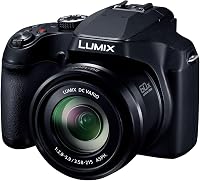
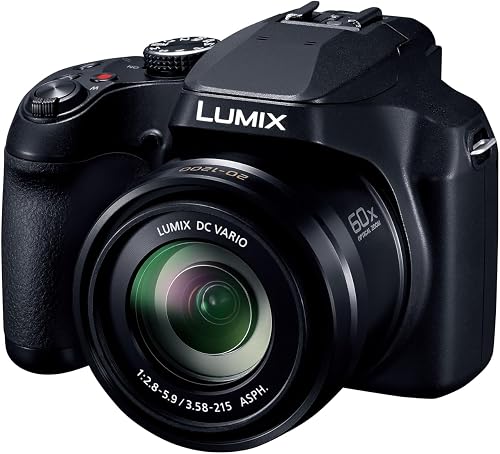
The FZ80D keeps a broad zoom range on one camera. The Rebel T7 uses a Canon EF mount and comes in a double zoom lens kit, so you can use different lenses for different subjects.

Bridge camera vs DSLR: what is the main difference?
A bridge camera keeps its zoom lens attached, while a DSLR lets you swap lenses. That changes the way you prepare for a shot, how much gear you carry, and what kinds of framing options you have.
The FZ80D covers wide scenes and distant subjects with a 20–1200mm optical zoom. The Rebel T7's reach depends on which lens is attached, and its mount lets you choose from compatible lenses for a specific job.
A bridge camera can suit wildlife, sports, travel and family outings when subjects move between near and far. A DSLR can suit someone who wants to learn how lens choice changes portraits, landscapes, close-up views or distant scenes.
If bridge cameras are new to you, begin with what a bridge camera is. For more fixed-lens choices, see our guide to bridge cameras with a big zoom.
Which camera gives you more zoom reach?
The FZ80D gives you a wide-to-super-telephoto range without changing lenses. With the Rebel T7, you choose a lens that gives you the framing and reach you need for the outing.
A wide view helps fit a landscape, building or group into the frame. A telephoto view helps make a faraway bird or player appear larger, but long framing also makes camera movement more visible and focus more demanding.
The Panasonic's Power Optical Image Stabilizer is designed to minimize blur from camera shake at long focal lengths. It cannot freeze a moving subject, so use a fast enough shutter speed when a bird takes off or a player runs across the field.
When does a bridge camera's zoom help?
A built-in zoom is useful when your subject may shift from nearby to far away and you want to keep shooting without a lens change. You can move from a wide landscape to a distant detail with the same lens attached.
The tradeoff is that the FZ80D's lens stays on the camera. If you want a different lens for a particular look or specialized task, a bridge camera does not let you change it.
When does a DSLR's lens choice help?
A DSLR fits someone who wants to match lenses to different subjects or styles. The Rebel T7 uses a Canon EF mount, so the kit's lens options are only the start of the system you can build around the body.
That flexibility asks you to make more choices. You may need to decide which lens to take before an outing, and carrying extra lenses takes more space and adds a lens change when the scene shifts.
For more on the entry-level DSLR tradeoffs, read our guide to choosing a DSLR for beginners. If you're weighing camera types for a first purchase, our beginner camera guide covers DSLR, mirrorless and zoom options.
Does sensor size matter more than zoom?
The Rebel T7 has a 24.1 MP APS-C sensor, while the FZ80D has 18.1 MP effective still resolution. Those numbers describe different things, so don't use megapixels alone to choose a camera.
Sensor size, lens, focus, light and intended output all affect the result. The APS-C sensor gives the Rebel T7 a different starting point, but you still need a lens that suits your subject and working distance.
For a plain-language explanation, see what APS-C means on a camera. It can help you understand sensor format before choosing between a DSLR and a bridge camera.
Which camera is easier to carry and set up?
The FZ80D keeps the camera and zoom range together, while the Rebel T7 lets you change lenses. Your usual outings and willingness to manage more than one lens are useful guides.
For a bridge camera, start by charging the battery, inserting a compatible SD card and learning the zoom control, viewfinder and screen. The FZ80D can charge by USB-C and has an OLED viewfinder plus a 3-inch touch LCD for framing and playback.
For a DSLR, learn how to remove and attach lenses carefully, keep the body cap and rear lens cap handy, and choose a lens before leaving home. The Rebel T7 has an optical viewfinder with about 95% viewing coverage, so a small edge of the final frame may fall outside what you see through it.
Neither design removes the need to learn exposure and focus. Our guides to aperture, ISO and shutter speed explain three settings that shape a photo.
Which camera is better for video and fast moments?
The FZ80D supports 4K video and 4K Photo at 30 fps, while the Rebel T7 records FHD 1080p video. The Panasonic has the feature advantage if 4K capture is a priority.
The Rebel T7 has continuous shooting at 3 frames per second. The FZ80D's 4K Photo mode captures decisive moments at 30 fps, though it is a different workflow from a DSLR burst, so check how each mode saves images before relying on it.
For fast action, consider autofocus along with the frame rate. The Rebel T7 has a 9-point AF system with AI Servo AF, while the FZ80D uses 49-point contrast detection autofocus.
Who should buy a bridge camera, and who should skip it?
Buy a bridge camera if one attached lens and broad zoom reach matter more than changing lenses. Skip it if your plan depends on choosing a specialized lens or building a camera system around different optics.
The FZ80D suits travelers who want wide and distant framing in the same camera, wildlife watchers who value reach without lens swaps, and casual sports shooters who want a long zoom ready in one body. Its optical stabilization and 4K features add useful flexibility for those jobs.
Skip the bridge camera if your main goal is to experiment with different focal lengths, use a lens for a specific style, or grow a collection of compatible lenses. A fixed lens is convenient, but that convenience also sets the limit of the system.
Buy a DSLR if you want interchangeable lenses and are ready to choose what to carry. Skip it if you want the fewest lens decisions or do not expect to use that flexibility.
The Rebel T7 suits a beginner who wants an optical viewfinder and room to change lenses later. It also offers scene intelligent auto mode, so a new DSLR user can start with automatic exposure before learning more control.
The DSLR is a weaker fit if switching lenses sounds like a chore or you want one broad zoom without planning around a particular lens. Its 9-point autofocus system and FHD video are also worth considering if fast action or video is central to your plans.
What setup and care mistakes should you avoid?
Set up the camera around the subject and keep the lens and memory card ready before an outing. A few simple habits prevent missed shots and avoidable handling problems.
For either camera, format the SD card in the camera after saving anything you want to keep, check remaining battery and card space, and practice the controls at home. Start with automatic exposure, then try one manual change at a time so you can tell what changed in the image.
At long zoom, brace the camera with both hands and take a moment to settle the frame. Image stabilization can reduce blur from your movement, but it does not replace a faster shutter for moving subjects or careful focus on the subject you want sharp.
With a DSLR, change lenses in a sheltered place when possible and avoid touching the glass or sensor area. Keep the front and rear caps on unused lenses, and use a clean, suitable lens cloth rather than wiping grit across the glass.
A common mistake is choosing a camera by maximum zoom or megapixels alone. Think about what you photograph, how far away it is, whether the subject moves, and how much gear you will carry.
Which camera should you choose?
Pick the Panasonic Lumix FZ80D for a ready-to-use long zoom; pick the Canon EOS Rebel T7 Double Zoom Kit if you want to swap lenses and build a DSLR setup. The right choice is the one that suits the way you frame your usual subjects.
The FZ80D is the clearer fit for travel, distant wildlife and changing scenes where stopping to change lenses would get in the way. The Rebel T7 is the stronger fit if you want to learn lens choice and use an optical viewfinder.
If birds or wildlife are your main subjects, compare our birding camera guide before deciding. For an all-in-one lens setup, browse our big zoom bridge camera picks.
Frequently asked questions
Is a bridge camera better than a DSLR?
A bridge camera is better if you want a long zoom in one fixed-lens body, while a DSLR suits you if you want to change lenses. The Panasonic FZ80D spans 20–1200mm, and the Canon Rebel T7 uses a Canon EF mount.
Choose around the subjects you photograph most.
Can a bridge camera zoom farther than a DSLR?
A bridge camera can offer a long range without lens changes. The FZ80D has a built-in 20–1200mm zoom, while a DSLR's reach depends on the lens attached.
A DSLR can use different lenses, but you need to select and carry one that fits the shot.
Which is easier for a beginner, a bridge camera or DSLR?
A bridge camera can be simpler to carry as one camera and lens, while a DSLR gives you room to learn with different lenses. The FZ80D has automatic and manual exposure control.
The Rebel T7 also has scene intelligent auto mode.
Do bridge cameras have interchangeable lenses?
Most bridge cameras use a built-in lens that you can't swap. The FZ80D's 20–1200mm range stays on the camera, so it covers wide views and distant subjects without a lens change.
A DSLR such as the Rebel T7 uses a mount for interchangeable lenses.
Should I choose the FZ80D or Rebel T7 for wildlife?
Choose the FZ80D if you want a 20–1200mm zoom ready in one camera, especially when changing lenses would be inconvenient. Choose the Rebel T7 if lens choice matters more and you're willing to select a suitable telephoto lens.
The right fit depends on your reach and carrying preferences.