Canon R10 vs Nikon Z50 II: Which Is Better? (November 2026)
Choose the Canon R10 for faster continuous shooting, or the Nikon Z50 II for wider subject detection and built-in Picture Controls. Compare the subjects you shoot, video features and compatible lenses before choosing a system.
On this page (10 sections)
- Canon R10 vs Nikon Z50 II: which camera should you choose?
- Which camera is better for moving subjects?
- Which camera gives you more image detail?
- Which camera has more useful video features?
- Which camera gives you more control over color?
- How do the Canon and Nikon lens systems compare?
- Which camera is easier to carry and share from?
- How should you set up either camera for a first shoot?
- What common buying mistakes should you avoid?
- Canon R10 vs Nikon Z50 II: which is the better buy for you?
Choose the Canon R10 for faster continuous shooting, or the Nikon Z50 II for wider subject detection and built-in Picture Controls. The Canon R10 vs Nikon Z50 II decision comes down to what you photograph, how you want to shape color and which lens mount fits your plans.
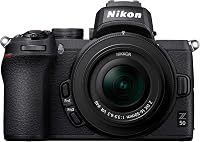
The Canon has a 24.2 MP APS-C sensor and a mechanical continuous shooting rate of up to 15 fps. The Nikon has a 20.9 MP DX-format sensor, detection for 9 subject types and 31 built-in Picture Controls.
Both are compact mirrorless camera bodies with tilting displays and built-in flash. Neither body includes a lens, so budget and plan for a compatible lens as part of your system choice.


Canon R10 vs Nikon Z50 II: which camera should you choose?
Pick the Canon R10 for its stated 15 fps mechanical shooting rate; pick the Nikon Z50 II for broad subject detection and built-in Picture Controls. Start with your subjects, then compare video needs and the lenses you can use.
The R10 combines Canon Dual Pixel CMOS AF with subject detection and tracking. The Z50 II recognizes people, dogs, cats, birds and vehicles, with dedicated bird and airplane modes.
These strengths suit different priorities. If you're choosing your first interchangeable-lens camera, our guides to Canon cameras for beginners and Nikon cameras for beginners can help you think through the broader system choices.
Which camera is better for moving subjects?
The Canon R10 is the stronger fit when continuous shooting speed is your priority, while the Nikon Z50 II offers more named subject-detection modes. A fast frame rate and subject recognition can both help with action, but they address different parts of the task.
The R10 can shoot at up to 15 fps with its mechanical shutter. Canon notes that speed may slow due to factors such as anti-flicker shooting, aperture and battery life.
The Z50 II detects 9 subject types, including people, dogs, cats, birds and vehicles. Its dedicated bird and airplane modes give you specific options for those subjects.
How do the Canon R10 and Nikon Z50 II handle autofocus?
The R10 offers subject detection and tracking through Dual Pixel CMOS AF, while the Z50 II can recognize and track a range of named subjects. Choose the system whose focus options match what you photograph most.
For sports or unpredictable movement, the Canon's stated 15 fps rate may be useful for capturing a moment within an action sequence. For birds or airplanes, the Nikon's dedicated modes may be the more direct fit.
Focus still depends on your settings and how you use the camera. Choose a shutter speed suited to the subject's movement, keep the focus area on the subject and practice following its motion.
Which camera gives you more image detail?
The Canon R10 has the higher stated pixel count, at 24.2 MP compared with 20.9 MP for the Nikon Z50 II. Both sensors are APS-C size, though Nikon calls its format DX.
A higher pixel count can provide more room to crop if focus and shooting conditions preserve the detail. It doesn't guarantee better photos in every situation.
Think about the final image. If you often crop tightly, the Canon may suit you.
If you share or print images at common sizes, lens choice, focus and handling may matter more. Our guide to what APS-C means on a camera explains the sensor format both cameras use.
Which camera has more useful video features?
The Nikon Z50 II offers 4K UHD/60p and Full HD slow motion at 120p, while the Canon R10 includes 4K and subject-tracking autofocus for video. Pick according to the frame rates and focus tools your projects call for.
The Nikon also has built-in electronic VR and a product review mode. The Canon's Movie Servo AF includes subject detection and tracking, and Canon says recording can run for over 30 minutes.
That recording time can still be limited by battery level, card capacity or internal temperature. For either body, check that your memory card has enough space, charge the battery and make a short practice clip with the settings you intend to use.
If you mainly record standard clips, you may not need slow motion. If you want to slow footage down, the Nikon's Full HD 120p mode is a specific option; if keeping a moving subject in focus matters more, consider Canon's video autofocus.
Which camera gives you more control over color?
The Nikon Z50 II offers 31 built-in Picture Controls and lets you create, save or download additional controls. You can preview the look while you shoot, which suits photographers who want to choose a style in camera.
The Canon R10's stated strengths center on autofocus, fast continuous shooting and 4K video. If you already plan to edit color later, Nikon's presets may matter less than the lens system or action features.
Try a few Picture Controls before settling on a routine. Save a favorite control so you can return to it, and keep an unprocessed copy when you want more room to edit later.
How do the Canon and Nikon lens systems compare?
Choose the body that fits the lenses you want: the Canon R10 uses RF and RF-S lenses, while the Nikon Z50 II uses Nikon Z lenses. A camera body is only one part of the cost and weight of a system.
Canon EF and EF-S lenses can be used on the R10 with an optional EF-EOS R mount adapter. The Nikon body uses the Z mount.
Before choosing, make a short lens plan for the subjects you photograph. Include a lens for your current needs and one you may add later, then compare compatible options and how much you want to carry.
If you already own Canon EF or EF-S lenses, include the adapter in your plan. If you own Nikon gear, verify that the lenses you want are Nikon Z mount before treating them as compatible.
For a closer comparison of two Nikon bodies, see our Nikon Z30 vs Z50 guide. If you're still choosing a brand, our Nikon vs Canon guide for beginners covers broader system questions.
Which camera is easier to carry and share from?
Both bodies are described as compact and lightweight, so the lens and bag you pair with them will shape your carry setup. Nikon's Z50 II has a clearly described wireless sharing option through the SnapBridge app.
The Nikon can send photos and video to a smart device using SnapBridge. Its listed connections include Bluetooth, Wi-Fi, USB and HDMI.
The Canon R10 is described as compact and lightweight, and its stated connectivity includes USB. If wireless transfer is central to your routine, check Canon's current connection options before you decide.
Include the lens, strap and any spare battery in your carry plan. A small camera body can still feel bulky with the lens you need for a particular trip.
How should you set up either camera for a first shoot?
Start with a compatible lens, a charged battery and a memory card, then practice the controls before an important shoot. Both options are body-only, and a suitable lens is essential.
Choose a lens based on your subject and typical shooting distance. A lens for nearby family photos may not suit distant birds or sports, so decide what you want to photograph before you buy more gear.
For action, practice following a moving subject and adjust shutter speed to keep motion clear. Use the Canon's continuous shooting when you want a short sequence, or try the Nikon's subject modes when they match the scene.
For video, check framing, focus and available card capacity with a short clip first. On the Nikon, try the Picture Controls you plan to use; on the Canon, practice Movie Servo AF tracking.
Keep the lens cap on when the camera is stored, and use a clean, dry place for the body and lens. Avoid touching the front glass, and use a blower or a clean lens cloth if dust or smudges need attention.
What common buying mistakes should you avoid?
The main mistake is comparing camera bodies without accounting for the lens, subject and workflow you need. The better choice is the one that fits the whole setup you intend to use.
Don't assume a higher megapixel count guarantees better photos. The Canon's 24.2 MP sensor may offer more cropping room, but focus, light, shutter speed and lens choice also affect detail.
Don't treat every autofocus feature as interchangeable. Canon's stated continuous shooting rate may matter for sequences, while Nikon's bird and airplane modes address specific subjects.
Don't choose a camera for a video label alone. Check whether you want 4K UHD/60p, Full HD slow motion, electronic VR, subject tracking or a particular recording workflow.
Finally, don't overlook body-only packaging. Plan for a lens and check mount compatibility before buying, especially if you hope to adapt lenses from another system.
Canon R10 vs Nikon Z50 II: which is the better buy for you?
Choose the Canon R10 if 15 fps mechanical shooting and a 24.2 MP sensor fit your priorities. Choose the Nikon Z50 II if you want broader subject detection, dedicated bird and airplane modes, in-camera Picture Controls or its stated video options.
The Nikon may suit a wider mix of subjects and creative workflows. The Canon is a clear option for action-focused shooting and for photographers who prefer its RF and RF-S lens system.
Compare the lenses you would actually use, then match the body to your main subjects. For a wider first-camera shortlist, read Best Cameras for Beginners: DSLR, Mirrorless or Zoom.
Product details
Related reading
- Nikon Z30 vs Z50
- Nikon vs Canon Cameras for Beginners
- Best Nikon Cameras for Beginners
- Best Canon Cameras for Beginners
Frequently asked questions
Is the Canon R10 or Nikon Z50 II better for action?
The Canon R10 is the clearer fit if your main priority is a stated continuous shooting rate: its mechanical shutter reaches 15 fps. The Nikon Z50 II detects people, animals and vehicles, including birds and airplanes, and offers dedicated modes for the latter two.
For action, consider both the frame rate and the kind of subject you photograph.
Which camera has more megapixels?
The Canon R10 has a 24.2 MP APS-C sensor, while the Nikon Z50 II has a 20.9 MP DX-format sensor, also APS-C size. The Canon has the higher pixel count, which may give you more room to crop when focus and shooting conditions preserve detail.
Megapixels are only one part of image quality.
Which camera is better for video?
The Nikon Z50 II records 4K UHD/60p and offers in-camera 120p slow motion in Full HD, built-in electronic VR and product review mode. The Canon R10 records 4K and offers Movie Servo AF with subject detection and tracking.
Choose by the recording modes and focus features you plan to use.
Do the Canon R10 and Nikon Z50 II include a lens?
Both cameras here are body-only versions, so you'll need a compatible lens to take pictures. The Canon accepts RF and RF-S lenses, with EF and EF-S lenses usable through an optional EF-EOS R adapter.
The Nikon uses Nikon Z lenses.
Which camera is easier to use for creative looks?
The Nikon Z50 II includes 31 built-in Picture Controls. You can create and save your own or download Cloud Picture Controls, then preview the look while shooting.
Choose the Nikon if those in-camera options fit your workflow; the Canon emphasizes fast shooting, autofocus and 4K video.