Best Cameras for Beginners: DSLR, Mirrorless or Zoom
The best camera for beginners depends on what you want to photograph: choose a mirrorless kit for room to grow, a DSLR for an optical viewfinder, or a zoom camera for reach without changing lenses.
On this page (3 sections)
The best camera for beginners is the one that fits the subjects you want to photograph and the amount of control you want to learn. Choose mirrorless for an expandable kit, DSLR for an optical viewfinder, or a zoom camera for reach in one body.
A camera with more features won't automatically make better pictures. Start with the type of camera that makes it easy to take the photos you care about, then learn focus, exposure and composition as you use it.
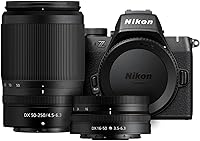
For a beginner who wants interchangeable lenses, the Nikon Z50 II kit includes a standard zoom and a telephoto zoom. If you prefer a fixed-lens camera with a long reach, the Kodak PIXPRO AZ528 and Panasonic Lumix ZS99 offer different zoom ranges.
What kind of camera is best for beginners?
The best camera type for a beginner depends on whether simplicity, lens choice or a traditional viewfinder matters most. A fixed-lens zoom camera keeps the kit simple, while mirrorless and DSLR cameras let you change lenses.
| Camera type | A good fit if you want | Main trade-off |
|---|---|---|
| Mirrorless | An interchangeable-lens kit and room to expand | You need to choose and carry lenses |
| DSLR | An optical viewfinder and a familiar camera grip | You need to choose and carry lenses |
| Bridge or zoom | Long reach with one built-in lens | You can't swap the built-in lens |
| Pocket zoom | Travel reach in a compact camera | You can't swap the built-in lens |
The camera body is only one part of the choice. Think about the lens that comes with it, the size of the full kit and whether you want to add lenses later.
Is a mirrorless camera a good first camera?
A mirrorless camera can be a strong first camera if you want to learn with interchangeable lenses. The Nikon Z50 II kit includes two lenses, a built-in flash and automatic subject detection for people, dogs, cats, birds and vehicles.
The included lenses cover different situations, from portraits and travel to wildlife. The Z50 II also has built-in Picture Control presets for photos and video.
Choose mirrorless if you want to grow into more lenses or explore video. This kit supports 4K UHD/60p video and Full HD slow motion, but its two lenses mean more gear to carry than a pocket camera.
To understand the sensor size used by many beginner cameras, read what APS-C means on a camera. For a closer look at another camera in this system, see best Nikon cameras for beginners.
Is a DSLR camera a good first camera?
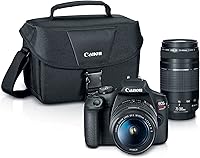
A DSLR can be a good first camera if you want an optical viewfinder and direct access to camera controls. The Canon EOS Rebel T7 Kit pairs a 24.1-megapixel APS-C sensor with an EF-S 18-55mm stabilized lens.
The included lens gives you a starting range for everyday photos. The camera also has built-in Wi-Fi and NFC, plus a 9-point autofocus system.
Choose this route if the optical viewfinder and DSLR style are what you want to learn. The T7 has a fixed rear display and a 9-point autofocus system, details to weigh against the interchangeable lens setup.
Our DSLR guide for beginners explains what to consider when choosing one.
Is a zoom camera easier for a beginner?
A zoom camera can be easier to carry and set up because its lens is built in. You can frame wide scenes and distant subjects without choosing another lens.
The AZ528 includes optical image stabilization and a 6-frame-per-second burst mode. Its built-in Wi-Fi can transfer photos to a phone or tablet, and it records Full HD video.
Pick it when reach matters more than changing lenses. Its zoom can help you frame birds, wildlife or sports from a distance, though it doesn't guarantee a sharp result in every situation.
Holding the camera steady and using enough light still matter.
If you want to compare cameras aimed at action, see our best cameras for sports photography guide.
Is a pocket zoom camera right for a first camera?
A pocket zoom camera suits beginners who want a travel camera with a 24-720mm lens and 30x optical zoom. The Panasonic Lumix ZS99 also has a tilting touchscreen and USB Type-C charging.
The ZS99 offers 4K video and 4K Photo bursts, along with Bluetooth image sharing. Its built-in lens means you can start shooting without shopping for separate lenses.
Choose it for travel and concerts when compact size and zoom are priorities. Its fixed lens gives you a different learning path from a mirrorless or DSLR system, where you can change lenses and build a kit over time.
How should a beginner choose a camera?
Choose a beginner camera by matching your subjects, carrying habits and learning goals to its lens setup and controls. A simple shortlist can help you focus on features you'll use.
- Name your main subjects. Family events and travel call for a different reach than birds or sports.
- Decide if you want interchangeable lenses. Mirrorless and DSLR cameras let you change lenses; bridge and pocket zooms keep the lens attached.
- Consider the full kit. A camera with two lenses may cover more situations, but it takes more space than a compact zoom.
- Check the controls you'll use. A viewfinder, tilting screen, built-in flash and phone sharing can each matter in different settings.
- Think about video. If you plan to record clips, compare the video modes and features alongside still photos.
- Leave room to learn. A camera's automatic mode can help you start, while manual exposure settings let you practice at your own pace.
This site's guide to Canon cameras for beginners and Fujifilm cameras for beginners can help if you're already leaning toward a camera brand. For lens basics, read what the numbers on a camera lens mean.
What should you learn after buying your first camera?
Learn one camera setting at a time, starting with focus and shutter speed. These choices affect whether a moving subject looks sharp or blurred.
Shutter speed controls how long the camera records light. Aperture affects the lens opening and depth of field, while ISO affects how the camera responds to light.
Try the same subject with one setting changed at a time. That makes it easier to connect a control with the result, instead of changing several things and guessing what helped.
Which beginner camera should you choose?
The best camera for beginners is the one that suits the way you want to learn and photograph. Choose the Nikon Z50 II kit for an expandable mirrorless setup with two lenses, the Canon EOS Rebel T7 Kit for an optical-viewfinder DSLR, or a Kodak or Panasonic zoom camera for a fixed-lens kit.
If you're deciding between brands or models, compare our Nikon vs Canon guide for beginners and the Canon Rebel T7 vs R100 comparison. Those guides can help narrow the choice once you've settled on a camera type.
Frequently asked questions
What type of camera is easiest for a beginner?
A zoom camera is a simple starting point if you want one built-in lens and don't want to choose extra lenses. A mirrorless or DSLR camera gives you more control and room to add lenses, but you'll also have more choices to learn.
Pick based on the subjects you photograph and how much you want to grow.
Should a beginner buy a DSLR or mirrorless camera?
Choose a DSLR if you want an optical viewfinder and a traditional camera layout; choose mirrorless if you want an interchangeable-lens kit with features such as subject detection. Both can teach exposure and composition.
Compare the camera and included lens together, since the lens affects what you can photograph.
Is a bridge or zoom camera good for beginners?
A zoom camera can suit beginners who want to photograph travel scenes, distant wildlife or sports without carrying extra lenses. Its built-in zoom keeps the kit simple, while an interchangeable-lens camera gives you more ways to change your setup.
Consider carrying size and reach before choosing.
What should I learn first with a new camera?
Start with focus, exposure and how shutter speed, aperture and ISO affect a photo. Practice in automatic mode first, then change one setting at a time so you can see the result.
Choose a few familiar subjects and learn to hold and carry the camera safely.