8 Best Nikon Cameras for Beginners (November 2026)
The best Nikon cameras for beginners include the Nikon Z50 II (Two-Lens Kit) for varied subjects, the Nikon COOLPIX P950 for distant wildlife, and the Nikon Z50 With 16-50mm Lens for everyday photos.
On this page (5 sections)
Best Nikon Cameras for Beginners
The best Nikon camera for beginners overall is the Nikon Z50 II two-lens kit, because its 16-50mm and 50-250mm lenses cover everyday scenes as well as more distant subjects. If you want one camera with a long built-in zoom, choose the COOLPIX P950; for video-first use, consider the Z30.
A first camera should fit the pictures you want to make and the amount of gear you want to carry. For a broader look across brands and camera types, start with our beginner camera guide.
Our picks at a glance
-
1

-
2

-
3

- 4
 Best for DSLR learnersCheck it
- 5
 Best for full-frame plansCheck it
- 6
 Check it
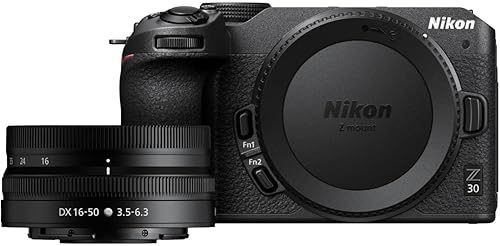
Nikon Z30 With Wide-Angle Zoom
Best for vlogging beginners - 7
 Check it
Nikon Z fc With Wide-Angle Zoom
Best for tactile controls - 8
 Best for compact full-frameCheck it
Which Nikon cameras for beginners fit different needs?
The Nikon Z50 II is the most flexible kit here because two included lenses cover both everyday scenes and farther subjects. The other picks fit more specific priorities, such as a single fixed zoom, a DSLR body, a full-frame system or video creation.
| Product | Best for | Sensor | Included lenses | Video | Our score |
|---|---|---|---|---|---|
| Nikon Z50 II (Two-Lens Kit) | varied subjects | 20.9 MP DX (APS-C) | 16-50mm and 50-250mm VR | 4K UHD/60p | 8.9 |
| Nikon COOLPIX P950 | distant wildlife | 4K UHD | 8.3 | ||
| Nikon Z50 With 16-50mm Lens | everyday photos | 20.9 MP DX (APS-C) | 4K UHD | 8.2 | |
| Nikon D7500 Kit (18-140mm) | DSLR learners | 8.1 | |||
| Nikon Z5 II | full-frame plans | 24.5 MP full-frame | 4K/60p | 8.0 | |
| Nikon Z30 With Wide-Angle Zoom | vlogging beginners | DX (APS-C) | 4K | 7.8 | |
| Nikon Z fc With Wide-Angle Zoom | tactile controls | 20.9 MP DX (APS-C) | 4K UHD | 7.7 | |
| Nikon Z5 | compact full-frame | 24.3 MP full-frame | 4K/30p | 7.4 |
Our scores reflect how each camera's features and included lens fit a beginner's likely needs. Use them as a starting point, then focus on the subjects you plan to photograph and the system you want to learn.
The best Nikon cameras for beginners
These Nikon cameras suit different first-camera priorities, from an all-around interchangeable-lens kit to a fixed superzoom and creator-focused body. Start with the use case that matters most to you.
Nikon Z50 II (Two-Lens Kit): Best for varied subjects
- 20.9 MP DX sensor
- 16-50mm and 50-250mm zoom lenses included
- Subject detection for 9 subject types
- 4K UHD/60p video
Two stabilized zoom lenses cover everyday wide scenes and more distant subjects. Subject detection and built-in Picture Control presets give a beginner useful options while learning.
Pros
- Two lenses cover a broad range of subjects
- Detects people, animals and vehicles
- Built-in flash
Cons
- Two lenses add more gear to carry
- No full-frame sensor
The Z50 II two-lens kit is the most flexible starting package in this roundup. The 16-50mm lens covers everyday wide scenes, while the 50-250mm lens reaches farther for wildlife, sports from a distance or travel details.
Its 20.9 MP DX sensor keeps the camera compact, and subject detection covers people, dogs, cats, birds and vehicles. Dedicated bird and airplane modes add useful starting points for those subjects.
The Picture Control button offers 31 built-in looks, and you can save custom presets. For video, it records 4K UHD/60p and Full HD slow motion at 120p.
Choose the Z50 II if you want one kit for varied early projects and don't mind carrying two lenses. If birds are your main interest, see our guide to cameras for birding and backyard birds.
Nikon COOLPIX P950: Best for distant wildlife
- 83x optical zoom
- Bird and Moon modes
- 4K UHD video
- Rotating LCD screen
The P950 combines a long zoom range with Bird and Moon modes. Its fixed-lens design means you don't need to choose additional lenses.
Pros
- Long built-in optical zoom
- Bird and Moon modes
- 4K UHD video
Cons
- 16 MP resolution
- Does not use interchangeable lenses
The COOLPIX P950 suits beginners who want to frame distant subjects without changing lenses. Its 83x optical zoom spans wide scenes and distant wildlife, aircraft and the moon.
Bird and Moon modes offer simple starting points for two common long-distance subjects. The camera also captures 4K UHD video and has a rotating LCD screen for composing from different angles.
Choose it if distant subjects are your priority and you prefer one built-in lens. Skip it if you want interchangeable lenses for portraits, wide scenes and other specialized uses; compare it with our guide to bridge cameras with big zooms.
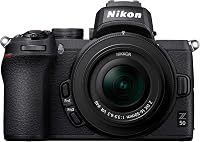
Nikon Z50 With 16-50mm Lens: Best for everyday photos
- 20.9 MP sensor
- 16-50mm lens included
- 4K UHD video
- Flip-down touch LCD
This compact mirrorless kit starts with a standard zoom for everyday scenes. Its flip-down touch screen also suits self-portraits and video blogging.
Pros
- Compact body and included zoom lens
- 4K UHD video
- Wi-Fi and Bluetooth
Cons
- Only one lens is included
- A separate adapter is needed for F-mount lenses
The Z50 with its 16-50mm lens is a mirrorless kit for everyday stills and video. Its compact body and standard zoom make it a straightforward entry into interchangeable-lens photography.
The lens has vibration reduction and quiet operation, which suit video as well as still photography. The flip-down touch LCD can face forward for self-portraits or blogging.
Choose this model if one standard zoom covers your current needs and you expect to add lenses later. If you want a longer reach from day one, the Z50 II kit already includes a telephoto zoom.
Nikon D7500 Kit (18-140mm): Best for DSLR learners
- 20.9 MP sensor
- 18-140mm lens included
- 51-point autofocus system
- 4K Ultra HD video
The D7500 is the DSLR option here, with a broad-range zoom included. Its tilting touch screen suits learners who want a traditional camera body.
Pros
- Broad 18-140mm zoom range
- 51-point autofocus system
- Tilting touch screen
Cons
- DSLR body differs from the mirrorless picks
- F-mount system differs from Nikon Z
The D7500 is the DSLR choice for a beginner who wants a traditional Nikon F-mount camera. Its 18-140mm lens covers a broad range, and its 51-point autofocus system supports continuous shooting up to 8 frames per second.
A tilting 3.2 in touch screen gives you another way to compose and review images. The camera also records 4K Ultra HD video.
Choose this kit if you specifically want a DSLR and a single lens with broad zoom coverage. Skip it if you want the compact mirrorless style of the Z-series cameras; our DSLR guide for beginners explains what to consider.
Nikon Z5 II: Best for full-frame plans
- 24.5 MP full-frame sensor
- Subject detection for 9 types
- In-body image stabilization
- 4K/60p video
The Z5 II offers a full-frame sensor, in-body stabilization and subject detection. It is a starting point for a beginner who expects to build a Nikon Z lens kit.
Pros
- Full-frame sensor
- In-body image stabilization
- Detects 9 subject types
Cons
- Camera body only, so a lens is needed
- More features than many first-time buyers need
The Z5 II is the full-frame option for beginners who want to start with Nikon's FX format. Its 24.5 MP sensor, in-body image stabilization and autofocus that detects 9 subject types give it room for varied shooting.
It records 4K/60p video, and Nikon SnapBridge can transfer photos and short clips to a compatible phone or tablet. This is a body-only camera, so choose a Nikon Z lens that suits your subjects.
Choose it if full-frame is a deliberate system choice and you have budget and plans for a lens kit. Skip it if you want a ready-to-shoot package or are still learning what types of photos you enjoy; the Z50 II includes two lenses.
Nikon Z30 With Wide-Angle Zoom: Best for vlogging beginners
- 16-50mm zoom lens included
- Flip-out touchscreen
- Eye tracking for people and pets
- Built-in stereo microphone
The Z30 is aimed at creators, vloggers and streamers, with a flip-out screen and built-in stereo microphone. Its included wide-angle zoom gives a beginner a ready-to-use lens.
Pros
- Flip-out screen helps frame self-recording
- Built-in stereo microphone
- USB-C webcam operation
Cons
- No built-in viewfinder
- Creator features may matter less for still-photo learners
The Z30 is designed around video creation, vlogging and streaming. Its flip-out touchscreen, built-in stereo microphone and red recording light address common needs when you film yourself.
The included 16-50mm wide-angle zoom lens gives you a useful starting view, and the camera supports 4K video. It also streams Full HD 60p over USB-C and 4K 30p over HDMI.
Choose the Z30 if filming yourself is a major reason for buying a camera. Skip it if you mainly want to compose still photos through a viewfinder, since this model has no built-in viewfinder.
Nikon Z fc With Wide-Angle Zoom: Best for tactile controls
- 20.9 MP DX sensor
- 16-50mm zoom lens included
- Analog-style shutter, ISO and exposure controls
- Flip-out vari-angle screen
The Z fc pairs a 16-50mm zoom with tactile controls for shutter speed, ISO and exposure compensation. Its Auto Mode and menu help can ease the move to manual settings.
Pros
- Dedicated analog-style controls
- Flip-out screen
- Compatible with Nikon Z lenses
Cons
- Controls may take more practice than a simple dial
- No full-frame sensor
The Z fc pairs mirrorless features with tactile controls for shutter speed, ISO and exposure compensation. Its 20.9 MP DX sensor, 16-50mm lens and flip-out vari-angle LCD cover still photos and 4K UHD video.
Those physical controls make exposure changes visible as you learn. Auto Mode, quick settings and a menu help guide give you a simpler route into the camera before you adjust settings yourself.
Choose the Z fc if direct access to exposure controls and its classic camera design appeal to you. Skip it if extra dials feel like more to learn; the Z50 offers a similar sensor resolution with a simpler layout.
Nikon Z5: Best for compact full-frame
- 24.3 MP full-frame sensor
- 5-axis in-body image stabilization
- Eye detection for people, dogs and cats
- 4K/30p video
The Z5 gives a beginner a full-frame Nikon Z body with in-body stabilization and eye-detection autofocus. It is body only, so plan for a compatible lens.
Pros
- Full-frame sensor
- In-body image stabilization
- Wi-Fi and Bluetooth
Cons
- Camera body only
- Continuous shooting is up to 4.5 fps
The Z5 is a full-frame Nikon Z body with a 24.3 MP sensor and 5-axis in-body image stabilization. Eye-detection autofocus can track people, dogs and cats.
It records 4K video at 30p and connects to compatible devices through built-in Wi-Fi and Bluetooth. This camera is body only, so you will need to choose a Nikon Z lens separately.
Choose the Z5 if you want a compact full-frame body and already have a lens plan. Skip it if you need a complete first-camera kit or want faster continuous shooting; the Z50 II offers a broader ready-to-use package.
How should you choose the best Nikon camera for beginners?
Choose by lens needs, camera style and the subjects you expect to photograph. Those decisions matter more than a long feature list because they shape what you can shoot and what you carry.
Which Nikon camera gives a beginner room to grow?
The Z50 II kit gives you a broad starting range because its two lenses cover standard and telephoto views. Its Nikon Z mount also leaves room to add compatible lenses as your interests develop.
A full-frame body such as the Z5 II can also be a long-term system choice, but it arrives without a lens. Before choosing a body-only camera, decide what lens you need and include that choice in your overall plan.
Is a superzoom or interchangeable-lens camera easier to start with?
A superzoom like the P950 keeps the lens attached and provides an 83x optical zoom. It is a simple fit for distant subjects, but you cannot swap in a different lens for a specialized role.
An interchangeable-lens camera asks you to choose and change lenses, but gives you more ways to adapt later. The DX models here use an APS-C sensor format; our guide to what APS-C means on a camera explains how that format fits into a camera choice.
Should you start with a DSLR or mirrorless Nikon?
Choose a DSLR if you specifically want the D7500's traditional body and F-mount system. Choose a mirrorless model if you want one of the compact Z-series bodies and a Nikon Z lens setup.
The camera type affects handling and the lens system you build around it. If you're comparing across brands, our Nikon vs Canon guide for beginners can help you weigh system preferences.
How do you set up a Nikon camera for the first time?
Start with a charged battery, a compatible memory card and the included lens attached securely. Read the camera's basic controls before heading out, then set the date and time, choose image quality and make sure autofocus is active.
Use Auto Mode or a simple scene mode for your first sessions. Try a few familiar subjects in good light, review the images on the camera, and change one setting at a time as you learn.
What should you learn first: aperture, shutter speed or ISO?
Learn how aperture, shutter speed and ISO affect a photo, then practice changing one setting while watching the result. Aperture affects how much of a scene appears in focus, shutter speed affects motion blur, and ISO affects how the camera responds to available light.
You don't need to use manual exposure right away. Our beginner guides explain aperture, shutter speed and ISO.
How can you get sharper photos and better video?
Hold the camera steadily, keep your subject in focus and use a faster shutter speed when the subject moves. For distant subjects, support the camera or rest your arms against a stable surface, then check the image before moving on.
For video, plan where you'll stand and what the camera needs to capture before pressing record. On the Z30, the forward-facing screen and built-in microphone help when you film yourself; the Z50 II also offers 4K/60p and slow motion.
What care habits help a beginner camera last?
Keep the lens cap on when the camera is stored, and avoid touching the glass. Use a clean blower or a soft lens cloth when dust needs attention, and keep the camera and lenses protected from rain, sand and sudden bumps.
When changing lenses, point the camera opening downward and work quickly in a clean place. If you use a fixed-lens camera like the P950, you avoid lens changes, but the front element still needs protection and gentle cleaning.
What common mistakes should a first-time Nikon buyer avoid?
Don't buy a body-only camera without choosing a lens that suits your subjects. The Z5 and Z5 II need a compatible lens, while the Z50 II, Z50, D7500, Z30 and Z fc include lenses; the P950 has a built-in zoom.
Don't choose only by sensor size or zoom range. A long zoom helps with distant wildlife, while a standard zoom is easier to carry for daily photos, and a full-frame body may be unnecessary if you have no specific reason to build that system.
Which Nikon camera should a beginner choose?
Pick the Nikon Z50 II two-lens kit if you want the best Nikon camera for beginners who need one setup for varied subjects. Choose the P950 for distant wildlife with a built-in zoom, the Z30 for vlogging, or the D7500 if you specifically want a DSLR.
If you're still comparing camera brands and styles, use our beginner camera guide to narrow the choice before you buy.
Our top 3 picks at a glance
-
1
-
2
-
3
Frequently asked questions
Which Nikon camera is easiest for a beginner?
The Nikon Z50 II two-lens kit is a strong all-around starting point because it includes two zoom lenses, subject detection and built-in shooting presets. The COOLPIX P950 may suit you if you want one fixed lens with a long zoom range.
Choose by the subjects you expect to photograph most.
Should a beginner choose a Nikon DSLR or mirrorless camera?
A mirrorless camera is a good fit if you want a compact body and a Nikon Z lens system. The D7500 is the DSLR pick here, with an 18-140mm lens and a tilting touch screen.
For more on the tradeoffs, see our DSLR vs bridge camera guide.
Is the Nikon Z50 II good for beginners?
Yes. The Z50 II kit includes a standard zoom and a telephoto zoom, plus built-in presets and autofocus subject detection for people, animals and vehicles.
That gives a new photographer room to try portraits, travel scenes and distant subjects without choosing another lens right away.
Do Nikon beginner cameras come with a lens?
Several picks here include a lens or lenses: the Z50 II, Z50, D7500, Z30 and Z fc. The Z5 II and Z5 are body-only choices, so you need to add a compatible lens.
The P950 has a built-in zoom lens and does not use interchangeable lenses.