Canon R50 vs R10: Entry Mirrorless Battle (November 2026)
The Canon EOS R50 wins for most new photographers because its kit includes a versatile RF-S 18-45mm lens and its vari-angle screen suits video. Choose the Canon EOS R10 for faster mechanical shooting, broader lens setup options, and longer video recording.
On this page (11 sections)
- Canon R50 vs R10: which camera wins overall?
- How are the Canon R50 and R10 different side by side?
- Which camera has better autofocus?
- Is the Canon R10 faster for action?
- Which camera is better for video?
- Does the included lens change the choice?
- How do the screens and controls affect daily use?
- Which camera is easier to set up?
- Who should buy the Canon EOS R50?
- Who should buy the Canon EOS R10?
- Canon R50 vs R10: what is the final verdict?
The Canon EOS R50 wins for most new photographers because it combines a ready-to-use lens kit with strong autofocus and creator-friendly video tools. The Canon R10 is the better pick for action shooters and lens owners who value 15 fps mechanical shooting.
Both cameras use a 24.2 Megapixel APS-C sensor and Canon's DIGIC X processor. The choice comes down to the complete R50 kit, the R10's body-only setup, shooting method, screen design and the way you plan to build your lens collection.

Canon R50 vs R10: which camera wins overall?
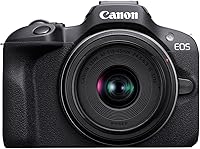
The Canon EOS R50 is the overall winner for most buyers because it gives beginners a complete camera and lens setup. Its RF-S 18-45mm F4.5-6.3 IS STM lens covers a useful starting range, while the vari-angle touchscreen makes photo and video composition easier from different positions.
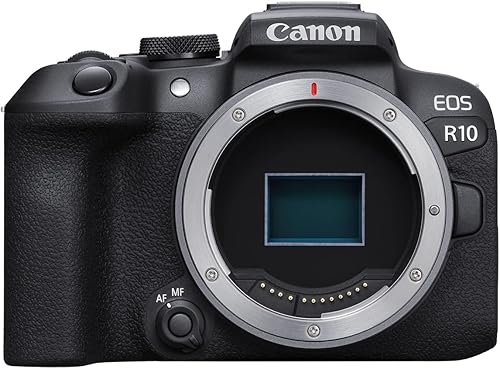
The EOS R10 earns its higher appeal for a narrower need. Its 15 fps mechanical shutter is a real advantage for fast action, and its support for RF-S, RF, EF and EF-S lenses gives existing Canon users more ways to build around the body.
The R50 also offers 6K oversampled uncropped 4K movie recording up to 30 fps, Full-HD high-frame-rate recording up to 120 fps and a Movie for Close-up Demo Mode that switches focus to the closest subject. That combination makes it especially practical for people creating short videos, demonstrations or casual vlogs.
Choose the R50 when you want to start shooting immediately. Choose the R10 when you already have a lens plan or when mechanical burst shooting matters more than getting a lens in the box.
How are the Canon R50 and R10 different side by side?
The cameras share resolution and APS-C sensor size, but the R50 is the more complete creator kit while the R10 is the more action-focused body.
| Feature | Canon EOS R50 Kit | Canon EOS R10 Body |
|---|---|---|
| Sensor | 24.2 Megapixel CMOS (APS-C) | 24.2 Megapixel APS-C CMOS |
| Processor | DIGIC X | DIGIC X |
| Included lens | RF-S 18-45mm F4.5-6.3 IS STM | None in this package |
| Autofocus | Dual Pixel CMOS AF II, 651 AF zones | Dual Pixel CMOS AF, 651 autofocus points |
| Fast shooting | Up to 12 fps electronic first curtain, up to 15 fps electronic | 15 fps mechanical shutter |
| Video | 6K oversampled uncropped 4K up to 30 fps | 4K with Movie Servo AF |
| Screen | 2.36-million-dot EVF and vari-angle touchscreen | Tilting display |
| Connectivity | Bluetooth, Micro HDMI, USB and Wi-Fi | USB |
| Lens support | Canon RF mount | RF-S/RF, plus EF/EF-S with Mount Adapter EF-EOS R |
The R50 is easier to compare as a full starter system because its lens is part of the package. The R10 is easier to compare as a camera body because your lens choice remains open.
For a second Canon-versus-Canon look at the same family, see our Canon EOS R10 vs EOS R50 comparison.
Which camera has better autofocus?
The Canon EOS R50 has the stronger autofocus package for new creators because its Dual Pixel CMOS AF II system includes subject detection and tracking across 651 AF zones. It detects and tracks people, animals and vehicles using deep learning technology.
The R10 also offers Dual Pixel CMOS AF, subject detection and subject tracking for video. Its autofocus supports the same broad type of subject-focused shooting, so neither camera is a poor choice for family moments, pets or moving subjects.
The difference is more about how much help you want while composing. The R50's auto subject detection works with its creator-focused design, including the vari-angle screen and automatic scene assistance.
The R10 suits photographers who want a faster body and expect to take a more deliberate approach to lens choice and framing. Its autofocus remains useful for action, but the camera's strongest distinction is the mechanical shooting rate.
If you are comparing Canon with another compact APS-C option, our Canon R10 vs Nikon Z50 II guide covers a different body and lens system decision.
Is the Canon R10 faster for action?
Yes. The Canon R10 wins for action when you want a 15 fps mechanical shutter.
That rate is designed for subjects such as sports, animals, cars and everyday movement where timing matters.
The R50 reaches 12 fps with its electronic first curtain shutter and up to 15 fps with its electronic shutter. That gives the R50 a strong burst option, but the R10 puts its 15 fps rate on the mechanical shutter, which is the clearer choice for buyers who make fast action their main subject.
Burst speed alone does not choose the lens, screen or camera position for you. A photographer covering school sports still needs a suitable focal length, enough light and a way to keep the subject inside the frame.
Pick the R10 when action is the deciding factor. Pick the R50 when action is occasional and you also need a lens, a vari-angle display and simple video controls.
Which camera is better for video?
The Canon EOS R50 wins for flexible beginner video because it records 6K oversampled uncropped 4K up to 30 fps and includes a vari-angle touchscreen. The screen can face different directions, which helps when the camera is placed low, high or toward the person recording.
The R50 also records Full-HD high-frame-rate video up to 120 fps. Movie for Close-up Demo Mode quickly switches focus to the subject closest to the camera, which is useful for product demonstrations and close objects moving into the frame.
The R10 records 4K video with Movie Servo AF, subject detection and subject tracking. Canon also says it can record for over 30 minutes, although recording can stop because of battery level, card capacity or internal temperature.
Choose the R50 for vlogging, tutorials and simple social video. Choose the R10 when video supports a photography-first setup and you want the body to work with a lens collection you select separately.
Does the included lens change the choice?
Yes. The included RF-S 18-45mm F4.5-6.3 IS STM lens makes the R50 the easier first purchase.
You can begin with one compact zoom instead of selecting a separate lens at the same time as the camera body.
An 18-45mm range covers a practical starting span for everyday photos, indoor scenes, people and basic video framing. The F4.5-6.3 aperture range is part of that lens design, so the R50 kit makes the most sense when convenience and a ready setup matter more than building a specialist kit immediately.
The R10 package is body only. That is an advantage if you already own compatible Canon glass or want to choose a particular RF-S or RF lens from the start.
The R10 also works with EF/EF-S lenses when paired with the Mount Adapter EF-EOS R. That gives existing Canon DSLR owners a direct path into the camera body without abandoning their older lens collection.
How do the screens and controls affect daily use?
The R50's vari-angle touchscreen is better for self-recording and unusual camera positions, while the R10's tilting display suits photographers who mostly work behind the camera.
A vari-angle screen can turn toward the photographer and fold into a position that helps with low or high compositions. That makes it useful when the camera is on a small support, held at arm's length or used for a demonstration.
The R10's tilting display still helps with compositions above or below eye level. It keeps the screen useful for photography without making the body as video-oriented as the R50.
The R50 also has a 2.36-million-dot EVF and Clear View LCD II vari-angle touchscreen. Its built-in Bluetooth and Wi-Fi connect with compatible smart devices through the Canon Camera Connect app for file viewing and transfer.
The R10 has USB connectivity in the data. Choose it when the camera's physical shooting performance matters more than wireless workflow.
Which camera is easier to set up?
The Canon R50 is easier to set up because the camera and RF-S 18-45mm lens arrive as one starter kit. Charge the supplied camera battery, attach the lens, insert suitable recording media and pair a compatible smart device if you want wireless transfers.
Start with a simple auto mode while learning the lens range. Use the vari-angle screen for video and close framing, then move to manual exposure when you understand how aperture modes and shutter speed affect the image.
The R10 needs one extra decision before shooting because the body-only package requires a lens. It includes the EOS R10 camera body, Strap ER-EOSR10, Battery Charger LC-E17, Battery Pack LP-E17, Battery Pack Cover and Shoe Cover.
That package suits an owner who already knows the lens they want. It also makes sense for an existing Canon user who plans to use RF-S/RF lenses or EF/EF-S lenses with the Mount Adapter EF-EOS R.
Who should buy the Canon EOS R50?
Buy the Canon EOS R50 Kit if you are new to mirrorless cameras, want to vlog or need a complete camera and lens setup. Its 24.2 Megapixel APS-C sensor, subject tracking, vari-angle screen and included RF-S 18-45mm lens cover the broadest set of beginner needs here.
The R50 works well for family photos, travel, short videos, product demonstrations and casual portraits. Its auto subject detection helps reduce the amount of focus setup needed when people, animals or vehicles move through the frame.
The kit lens also keeps the first purchase simple. You can learn the camera's controls and framing before deciding whether you need a wider, longer or brighter lens.
Pick the R50 if wireless transfers matter in your routine. Bluetooth and Wi-Fi support file viewing and transfer with compatible smart devices through the Canon Camera Connect app.
Who should buy the Canon EOS R10?
Buy the Canon EOS R10 Body if sports, wildlife, cars or an existing Canon lens collection matter more than having a lens included. Its 15 fps mechanical shutter is the clearest reason to choose it over the R50.
The R10's 24.2 Megapixel APS-C CMOS sensor and DIGIC X processor support both still photography and 4K video. Its Movie Servo AF uses subject detection and subject tracking for video-focused shooting.
It is also a better fit for someone who wants to decide the lens separately. Use a Canon RF-S or RF lens directly, or use the Mount Adapter EF-EOS R when bringing compatible EF/EF-S lenses into the EOS R system.
The trade-off is simple: the R10 body does not give a first-time buyer a ready lens setup. If you need to buy the camera and lens together, the R50 is the cleaner choice.
Canon R50 vs R10: what is the final verdict?
Choose the Canon EOS R50 for most people. It scores higher here because the RF-S 18-45mm kit lens, vari-angle touchscreen, wireless features, subject tracking and creator-friendly video tools make it the more complete entry mirrorless package.
Choose the Canon EOS R10 when the 15 fps mechanical shutter is central to your work, or when you already own compatible Canon lenses. Its body-only format gives experienced buyers more control over the lens decision.
The R50 is the better first camera for everyday photography, vlogging and learning. The R10 is the better specialist choice for action and for photographers building around RF-S, RF, EF or EF-S lenses.
If you are still comparing lower-cost Canon starting points, our Canon Rebel T7 review and Canon Rebel T7 vs R100 comparison can help place these mirrorless bodies in a wider beginner camera decision.
Frequently asked questions
Do the Canon R50 and R10 use the same sensor resolution?
Yes. Both cameras use a 24.2 Megapixel APS-C sensor, so the main difference is how each body handles shooting, video, viewing and lens setup rather than a basic resolution gap.
Which Canon camera is better for a beginner?
The Canon EOS R50 is the better beginner choice because this package includes an RF-S 18-45mm lens, a vari-angle touchscreen and simple wireless transfer features. It gives a new photographer a complete starting setup.
Can the Canon R10 use EF lenses?
Yes. The Canon EOS R10 works with EF/EF-S lenses when you add the Mount Adapter EF-EOS R.
It also works directly with Canon RF-S/RF lenses and RF lenses.
Which camera is better for sports photography?
The Canon EOS R10 is the better sports choice here because its mechanical shutter reaches 15 frames per second. The R50 reaches 12 fps with its electronic first curtain shutter and up to 15 fps with its electronic shutter.
Which camera is better for vlogging?
The Canon EOS R50 is the better vlogging fit because its vari-angle touchscreen can face different directions, and its kit includes an RF-S 18-45mm lens. It also records uncropped 4K up to 30 fps.