Nikon vs Sony Mirrorless Cameras: Which Fits You? (November 2026)
Pick Nikon for stills-first shooting and a familiar body, and Sony for action autofocus and video range. The Nikon Z 6II leads our Nikon vs Sony mirrorless camera comparison for most photographers; Sony wins when you need fast tracking and flexible recording options.
On this page (10 sections)
- Nikon vs Sony mirrorless camera: which system fits you?
- Nikon Z 6II: the best overall pick
- Nikon Z 8: the best for professionals
- Sony Alpha 7 IV: the best for hybrid video
- Sony a6400 Kit: the best for first cameras
- Autofocus and speed: which decides the shot?
- Video features: how do the systems compare?
- Handling, cards and power
- Who should buy which?
- Verdict: Nikon vs Sony mirrorless camera
Pick Nikon for stills-first shooting and a familiar body, and Sony for action autofocus and video range. The Nikon Z 6II leads our Nikon vs Sony mirrorless camera comparison for most photographers.
Sony wins when you need fast tracking and flexible recording options. The choice comes down to your mount, your autofocus needs and how much video you shoot.
We compared the specs of four bodies that cover most budgets, from an APS-C starter kit to a professional hybrid. The winner depends on what you photograph most.


Nikon vs Sony mirrorless camera: which system fits you?
Nikon fits stills-first shooters who want two card slots and a body built for long assignments. Sony fits shooters who chase fast action or record a lot of video and want the widest range of recording formats.
The two brands agree on the basics: full-frame sensors, electronic viewfinders and lens-based or in-body stabilization across their lineups. They differ in autofocus philosophy and in how far each pushes video.
Nikon's Z mount is wide and short, which helps lens designers build fast glass. Sony's E mount spans both full-frame and APS-C bodies.
Mount and lens history
That matters if you already own glass. Nikon's FTZ adapter mounts about 360 F-mount NIKKOR lenses on Z bodies, so a photographer moving from a Nikon DSLR keeps a working kit.
Sony's E mount covers both its full-frame Alpha bodies and APS-C models like the a6400. A lens bought for the a6400 fits an Alpha 7 IV, though the camera crops to APS-C resolution.
If you're starting fresh, compare lens prices for the focal lengths you actually use. Our guide to Nikon vs Canon cameras explains how brand ecosystems shape a first kit.
Sensor size and file depth
The Nikon Z 6II starts at 24.5MP in a full-frame BSI sensor, which favors low light over sheer resolution. The Sony Alpha 7 IV steps up to 33MP in its full-frame Exmor R design, while the Z 8 jumps to 45.7MP on a stacked CMOS sensor.
Stacked sensors read out faster, which is why the Z 8 can offer 120 fps burst options and a silent electronic shutter. The a6400 sits apart as the only APS-C body here, so its 20.1MP files give less cropping room than the full-frame picks.
All four bodies record 14-bit RAW depth. The Z 8 adds High Efficiency RAW and 10-bit HEIF options, which trim file sizes without dropping to JPEG.
Nikon Z 6II: the best overall pick
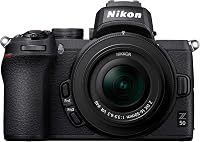
The Nikon Z 6II is the best overall mirrorless camera here for stills and video work. It balances a 24.5MP sensor with fast shooting and dual card slots, and it costs less than the Z 8.
The full-frame BSI sensor is built for low light. Nikon pairs it with 14 fps continuous shooting and a buffer that the company says is 3.5x larger than the original Z 6.
That combination suits weddings, events and any shoot where moments arrive quickly. Two card slots (CFexpress or XQD plus UHS-II SD) let you write backups or split photo and video.
Video reaches 4K UHD 60p with full pixel readout. A USB-C port supports constant power and charging, which helps during long livestreams and timelapses.
The body is vertical grip ready and uses 273 autofocus points with phase detection. A tilting 2,100,000-dot LCD handles high and low angles.
Two processors run the camera, and wireless connectivity links it to phones and laptops for quick sharing. The grip is designed for comfort over long assignments.
For hybrid shooters, the Z 6II is the easiest recommendation here. It does stills and video well without the file sizes of the Z 8.
Nikon Z 8: the best for professionals
The Nikon Z 8 is the best Nikon mirrorless camera for working professionals who need resolution and speed in one body. Its 45.7MP stacked CMOS sensor and EXPEED 7 processor push both stills and video past the Z 6II.
Autofocus is where it separates itself. Nikon's deep learning algorithm detects people, dogs, cats, birds, cars, bikes, motorcycles, trains and planes, and it combines subject detection with 3D tracking.
The Z 8 can focus as low as -9 EV, according to Nikon. Burst shooting runs at 20, 30, 60 and 120 fps options, and the electronic shutter is silent and vibration free.
Video tools are extensive. It records internal 8K 60p and 4K 120p, plus 12-bit N-RAW and ProRes RAW.
Still formats include 14-bit RAW, High Efficiency RAW, 10-bit HEIF and 8-bit JPEG.
Portrait features such as Skin Softening, Portrait Impression Balance and improved white balance help straight-out-of-camera work. The 2.1-million-dot tilting LCD and blackout-free viewfinder support handheld shooting.
The autofocus system uses 493 points across hybrid phase detection. A stacked sensor also means less rolling shutter in video and faster clearing of the buffer during long bursts.
Choose the Z 8 if your work sells on detail, action or video delivery. It costs more and creates large files, so plan for fast CFexpress Type B cards and serious storage.
Sony Alpha 7 IV: the best for hybrid video
The Sony Alpha 7 IV is the best Sony mirrorless camera here for hybrid video work. Its 33MP full-frame sensor and BIONZ XR processor deliver high-resolution stills and flexible 10-bit recording.
The autofocus system uses 693 points with both contrast and phase detection. That dense coverage helps when you track a subject across the frame rather than keeping it centered.
For video, it records up to 4K 60p 10-bit 4:2:2 with full pixel readout in all formats. It also oversamples 7K for 4K 30p without pixel binning.
S-Cinetone gives you a color profile built for pleasing skin tones out of camera, which saves grading time. Continuous shooting reaches 10 fps, and the tilting LCD suits low and high angles.
The BIONZ XR engine is billed as 8x more powerful than the previous generation, which helps both autofocus and color processing. The body takes CFexpress Type A and SD cards.
It streams and shares in real time, which suits live work and fast turnaround.
Pick the Alpha 7 IV if you shoot a mix of stills and video and want 33MP files. If your work is mostly stills at high frame rates, the Z 6II is the better fit.
Sony a6400 Kit: the best for first cameras
The Sony a6400 Kit is the best first mirrorless camera of these four. It pairs a compact APS-C body with a 16-50mm lens, so you can start shooting without buying glass separately.
Real-time eye autofocus is the headline feature. The system uses 425 phase and 425 contrast detection points covering about 84% of the sensor, which makes portraits and vlogging easier to keep sharp.
Movie tools include time lapse and slow or quick motion recording without post processing. A tiltable LCD flips for vlogging, and 4K video covers everyday recording.
Continuous shooting reaches up to 11 fps, and the camera saves 14-bit RAW files. The kit is built around the E mount, which keeps your lens options open if you later move to a full-frame Sony body.
If you want a light travel or family camera, this is the sensible entry. Move up to full frame when you outgrow the crop sensor and want more low-light range.
Autofocus and speed: which decides the shot?
The Nikon Z 8 wins on autofocus sophistication, the Z 6II on buffer value, and Sony on point coverage. Your subject decides which matters.
The Z 8 detects and tracks a long list of subjects using deep learning, and it can focus in very low light. That matters for wildlife, sport and dim weddings.
The Z 6II uses a 273-point phase detection system with improved AF performance over the original Z 6. It is quick enough for most events and portraits.
The Sony Alpha 7 IV covers the frame with 693 points. The a6400 adds real-time eye autofocus at its lower price.
For burst speed, the Z 8 reaches 120 fps options, the Z 6II hits 14 fps, the a6400 up to 11 fps, and the Alpha 7 IV 10 fps. Match the rate to your subject rather than buying the highest number.
Sensor readout and burst depth
Burst speed alone doesn't decide action shooting. The Z 8's stacked sensor reads out fast enough to keep a silent electronic shutter usable and the viewfinder blackout free during bursts.
The Z 6II relies on a larger buffer to keep 14 fps bursts going, which is why Nikon calls out the 3.5x gain over the original Z 6. The Alpha 7 IV and a6400 top out at lower rates, so panning shots of fast sport will lean on tracking accuracy more than frame count.
Video features: how do the systems compare?
The Z 8 wins on video specification, the Alpha 7 IV on ready-to-share color, and the Z 6II on value for hybrid work. The a6400 covers basic 4K for beginners.
The Z 8 records 8K 60p and 4K 120p internally, plus 12-bit N-RAW and ProRes RAW. Those files give editors room to crop and grade but demand fast cards and storage.
The Alpha 7 IV offers 4K 60p 10-bit 4:2:2 with full pixel readout and 7K oversampling at 30p. S-Cinetone shortens the path to a finished look.
The Z 6II records 4K UHD 60p with full pixel readout, and its USB-C power helps long shoots. The a6400 records 4K with a flip screen for vlogging.
Recording formats and storage load
The format you choose shapes your workflow. 8K 60p and 12-bit RAW on the Z 8 are the heaviest files here and need CFexpress Type B cards plus generous storage.
The Alpha 7 IV sits in the middle, pairing 10-bit 4:2:2 with 7K oversampling for cleaner 30p footage. The Z 6II and a6400 keep files lighter and easier to edit on modest hardware.
Plan your cards and backup drives before you buy any of them.
Handling, cards and power
The Z 6II and Z 8 each take two card types, the Alpha 7 IV accepts CFexpress Type A or SD, and the a6400 uses SD cards. Card slots affect how you back up work and how you split video from stills.
The Z 6II pairs CFexpress or XQD with UHS-II SD, and the Z 8 takes CFexpress Type B, SD, SDHC, SDXC and XQD. The Alpha 7 IV uses CFexpress Type A or SD cards.
The Z 6II supports constant power over USB-C for livestreams and timelapses. The Z 8 adds smart connectivity for phones and laptops alongside HDMI, USB, Wi-Fi and Bluetooth.
The a6400 lists USB connectivity only and ships with a battery, AC adaptor, shoulder strap and cables in the box. Its compact body suits travel, while the full-frame bodies give more grip for large lenses.
Viewfinder, screens and camera feel
The Z 6II and Z 8 both use a tilting LCD at 2.1 million dots, so menu text and focus checks stay readable in bright light. The a6400's tiltable screen flips toward the front for vlogging.
The Sony Alpha 7 IV lists a tilting display with a 3840 x 2160 maximum figure. The Z 8 adds a blackout-free viewfinder for tracking action.
If you shoot handheld in dim venues, grip depth and screen articulation matter as much as sensor size.
Who should buy which?
Pick the Z 6II if you shoot weddings, events or a mix of stills and video on a mid-range budget. Its dual slots and 14 fps burst make it the safest hybrid here.
Pick the Z 8 if clients pay for resolution, action or video delivery. The 45.7MP sensor and subject detection options justify the higher tier for professional work.
Pick the Alpha 7 IV if you want high-resolution stills plus easy video color and a wide autofocus spread. It suits creators who publish fast.
Pick the a6400 if you're learning and want a small kit with a lens included. It also suits vloggers who want a flip screen and eye autofocus.
If you're choosing between an entry compact and a DSLR-style body, our explainer on bridge camera vs DSLR covers the trade-offs. And if you're weighing smaller Nikon bodies, Nikon Z30 vs Z50 compares two APS-C options.
Verdict: Nikon vs Sony mirrorless camera
The Nikon Z 6II is the best mirrorless camera here for most readers, and the Z 8 is the best for professionals. Sony wins when fast autofocus coverage and flexible video recording drive your work.
For stills-led work with occasional video, buy the Z 6II. For client work that needs maximum resolution and speed, buy the Z 8.
For video-forward hybrid work with easier color, buy the Alpha 7 IV. For a first camera you can grow with, buy the a6400.
The deciding rule is simple. If you already own Nikon F-mount glass, the FTZ adapter makes Nikon the natural path.
If you shoot action and video and want the widest lens choice, Sony's E mount earns its reputation.
If you're cross-shopping brands at the entry level, our Canon EOS R10 vs Sony A6400 comparison covers two APS-C rivals.
Frequently asked questions
Do Nikon and Sony mirrorless cameras use the same lenses?
No. Nikon uses the Z mount and Sony uses the E mount, so lenses don't cross over without adapters.
Nikon's FTZ adapter mounts many F-mount NIKKOR lenses on Z bodies, which helps if you already own Nikon glass.
Which is better for video, Nikon or Sony mirrorless?
Sony tends to lead on recording options. The Alpha 7 IV records 4K 60p 10-bit 4:2:2 with full pixel readout and an S-Cinetone profile.
Nikon answers with the Z 8, which records internal 8K 60p, 4K 120p and 12-bit RAW.
Can a beginner start with a full-frame Nikon or Sony?
Yes, but a smaller APS-C kit like the Sony a6400 is easier to learn on and cheaper to build around. Move to full frame once you know which subjects you shoot and want more low-light range or shallower depth of field.
Which Nikon mirrorless camera is best for stills?
The Nikon Z 8 for high resolution and fast action, and the Z 6II for most other stills work. The Z 6II pairs 24.5MP files with 14 fps shooting and dual card slots, which keeps event and wedding work simple.