Nikon Z50 II Review: Worth It? (November 2026)
The Nikon Z50 II two-lens kit suits photographers who want everyday coverage and a longer zoom in one camera package. This nikon z50 ii review covers setup, lens choices and when an alternative makes more sense.
On this page (9 sections)
- Nikon Z50 II review: what comes in the two-lens kit?
- How does Nikon Z50 II autofocus handle different subjects?
- Which Z50 II lens should you use?
- How does the Nikon Z50 II compare with the Canon EOS R10?
- Is the Nikon Z30 a better fit for video creators?
- How should you set up the Nikon Z50 II?
- What common mistakes should you avoid with the Z50 II?
- Which Nikon Z50 II alternatives fit different buyers?
- Should you buy the Nikon Z50 II two-lens kit?
The Nikon Z50 II two-lens kit suits photographers who want one camera for everyday scenes and distant subjects. This nikon z50 ii review looks at what the kit covers, how to choose between its lenses and when a different camera makes more sense.
The kit pairs a 16-50mm zoom with a 50-250mm zoom. That range gives you a flexible starting point for travel, family photos and nearby wildlife, while subject detection and 4K video support varied shooting.
The main trade-off is carrying and switching two lenses. If you mostly make videos of yourself, look at the Nikon Z30; if faster continuous shooting or higher stated still resolution matters more, consider the Canon EOS R10.
Nikon Z50 II review: what comes in the two-lens kit?
The Nikon Z50 II two-lens kit includes the camera body, a 16-50mm zoom and a 50-250mm zoom. It gives you two useful framing ranges in one package, so you can start shooting without choosing a separate lens first.
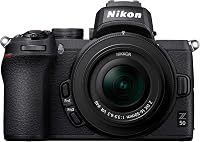
Nikon Z50 II (Two-Lens Kit): Best for travel and wildlife

- 20.9 MP DX-format sensor
- 16-50mm and 50-250mm zoom lenses
- Subject detection for 9 subject types
- 4K UHD/60p video
A two-zoom kit for photographers who want to cover nearby scenes and distant subjects without choosing lenses separately. Subject detection and video tools add flexibility for travel, wildlife and casual video.
Pros
- Includes two stabilized zoom lenses
- Detects people, pets, birds and vehicles
- Built-in flash
- Picture Control presets can be previewed while shooting
Cons
- Two lenses mean more gear to carry than a single-lens kit
- The kit's 20.9 MP resolution is lower than the Canon EOS R10's 24.2 MP
The 20.9 MP DX-format sensor is APS-C size. The camera also offers 31 Picture Control presets, which you can preview while shooting, and lets you create, save or download additional presets through Nikon Imaging Cloud.
When does the two-lens kit make sense?
Choose the kit if you expect to photograph both wide everyday scenes and subjects that sit farther away. The 16-50mm is the more practical choice for travel, people nearby and wider views, while the 50-250mm is for tighter framing at a distance.
It also suits someone who wants stills and video tools in one camera. The Z50 II records 4K UHD/60p and Full HD slow motion at 120p, with built-in electronic VR.
When should you choose a simpler setup?
Pick a single-lens setup if you mostly photograph nearby subjects or want to carry less. A longer zoom earns its place when you use the extra reach, but it adds another lens to pack and switch.
For a Nikon camera aimed more directly at video creators, read our Nikon Z30 vs Z50 comparison. It explains the differences between those models, while this review focuses on the Z50 II two-lens kit.
How does Nikon Z50 II autofocus handle different subjects?
The Z50 II can detect and track 9 subject types, including people, dogs, cats, birds and vehicles. Dedicated bird and airplane modes give you additional options for those subjects.
That range is useful if your photography changes from day to day. You can use people detection at a family gathering, then select a bird mode when you're photographing wildlife.
Autofocus does not replace choosing a suitable lens or composing the shot. Use the 50-250mm zoom for distant subjects and the 16-50mm for wider scenes or people nearby.
Is the Nikon Z50 II a good choice for wildlife?
The kit can suit wildlife photography when you want bird detection and a zoom lens for more distant subjects. The 50-250mm is the longer option, though how tightly you can frame an animal depends on how far away it is.
Switch to the 16-50mm for landscapes, buildings or people close by. If birds are your main subject, our guide to cameras for birding and backyard birds covers features to consider before choosing a camera.
Which Z50 II lens should you use?
Use the 16-50mm for wider scenes and everyday photographs, and the 50-250mm when you need a tighter view from farther away. Both included zooms have image stabilization, called VR by Nikon.
| Kit item | Useful for |
|---|---|
| NIKKOR Z DX 16-50mm f/3.5-6.3 VR | Travel, nearby subjects and wider framing |
| NIKKOR Z DX 50-250mm f/4.5-6.3 VR | Wildlife and distant subjects |
| Z50 II body | 20.9 MP DX-format stills and 4K video |
Think about the kinds of scenes you actually photograph before packing both lenses. If your days out include wildlife or sports from a distance, having the longer zoom available can help; for a light day of nearby subjects, you may only need one lens.
A prime lens is another option if you want a fixed view and a wider maximum aperture. The Nikkor Z 40mm f/2 is a separate lens with a 40mm focal length and f/2 maximum aperture; on a DX camera, it gives a 60mm field of view.
How does the Nikon Z50 II compare with the Canon EOS R10?
The Nikon Z50 II kit includes two lenses, while the Canon EOS R10 in this comparison is body only. The Canon has higher stated resolution and a 15 fps mechanical continuous shooting rate, but you need to add a compatible lens.
| Detail | Nikon Z50 II kit | Canon EOS R10 body |
|---|---|---|
| Sensor resolution | 20.9 MP | 24.2 MP |
| Sensor format | DX (APS-C) | APS-C |
| Lenses included | 16-50mm and 50-250mm VR | None |
| Continuous shooting | 5 frames per second | 15 fps mechanical |
| Video | 4K UHD/60p; Full HD 120p slow motion | 4K video |
| Mount | Nikon Z | Canon RF |
Choose the Canon if you value its higher stated resolution or fast mechanical shooting and already have a lens plan. The EOS R10 supports Canon RF-S and RF lenses; EF or EF-S lenses require an adapter.
Choose the Nikon kit if you want two zoom ranges ready to use. For a fuller buying comparison, see our Canon R10 vs Nikon Z50 II guide.
Is the Nikon Z30 a better fit for video creators?
The Z30 suits solo creators who need a flip-out selfie monitor, built-in stereo microphone and streaming options. The Z50 II is a better fit for varied still photography if you want two zooms and a built-in flash.
The Z30 comes with a 16-50mm zoom, so it doesn't provide the same long reach as the Z50 II kit. It supports Full HD 60p streaming over USB-C and 4K 30p over HDMI, and has a red recording light.
The Z50 II records 4K UHD/60p and has electronic VR and product review mode. For regular video work, consider how you'll capture audio and whether the camera's screen and controls suit the way you film.
How should you set up the Nikon Z50 II?
Start by choosing the lens for your subject, charging the battery and setting the camera's date, time and image options. If you're new to interchangeable lenses, practice mounting and removing a lens in a clean, sheltered place before heading out.
Set the camera to an automatic mode while you're learning its controls, then explore exposure control and Picture Control presets as you get comfortable. Preview a preset before a series of photos so the color style stays consistent across the set.
For wildlife, try the bird detection option and mount the 50-250mm lens. For everyday scenes, begin with the 16-50mm and switch only when you need a tighter view.
You can use Nikon SnapBridge to send photos and video to a compatible smart device. Pair the camera before a trip and confirm that transfers work with your phone, so you aren't figuring out the connection while trying to share a moment.
What common mistakes should you avoid with the Z50 II?
The most common buying mistake is paying for two zooms when you expect to use only one. Match the kit to your regular subjects: distant wildlife and varied travel scenes make the second lens more useful, while nearby everyday photos may call for a simpler setup.
Another mistake is assuming subject detection guarantees a sharp photo. Choose the right focus mode and lens for the subject, keep it in the frame and pay attention to your shutter speed, especially when photographing movement.
Don't leave the long zoom at home if distant subjects are the reason you're choosing this kit. For a lighter outing, one lens may be enough, but decide based on the scenes you expect to photograph.
Keep dust and fingerprints off the lens surfaces by using clean lens care tools and handling the glass carefully. Our guide to cleaning a camera lens explains a safe routine.
Which Nikon Z50 II alternatives fit different buyers?
Choose an alternative when one feature matters more to you than the Z50 II kit's combination of two zooms and varied camera modes. The Canon EOS R10 suits a different shooting priority, while the Nikon Z30 and 40mm prime address narrower needs.
The Canon EOS R10 has a 24.2 MP APS-C sensor and shoots up to 15 fps mechanically. It's a body-only option, so factor in a compatible lens and your existing Canon gear before choosing it.
The Nikkor Z 40mm f/2 suits Nikon Z owners who want a compact prime with a bright maximum aperture. Its fixed view is less flexible than a zoom, and it has no image stabilization.
The Nikon Z30 focuses on solo video and streaming with its flip-out screen and built-in microphone. It includes one 16-50mm zoom, making it the more focused option when those creator tools matter more than the Z50 II kit's extra reach.
Should you buy the Nikon Z50 II two-lens kit?
Buy the Nikon Z50 II kit if you want one camera package for everyday scenes, travel, wildlife and video, and expect to use both zoom ranges. Its subject detection, built-in flash, creative presets and 4K video support a wide mix of photo and video needs.
Choose the Nikon Z30 if vlogging and streaming lead your plans, or the Canon EOS R10 if you prioritize higher stated resolution and fast mechanical shooting and have a compatible lens plan. For help choosing among Nikon systems, our guide to the best Nikon cameras for beginners compares options by the kind of photography you want to do.
Frequently asked questions
Is the Nikon Z50 II a good camera for beginners?
The Z50 II can suit beginners who want room to try different subjects. Its two zoom lenses cover a broad range, while automatic modes and Picture Control presets offer simple ways to start.
The subject detection options can also help when you move between people, pets, birds and vehicles.
If you're deciding which Nikon system to start with, compare it with our guide to the best Nikon cameras for beginners.
What lenses come with the Nikon Z50 II two-lens kit?
The kit includes the NIKKOR Z DX 16-50mm f/3.5-6.3 VR and NIKKOR Z DX 50-250mm f/4.5-6.3 VR zoom lenses. Both include image stabilization.
Use the shorter zoom for everyday scenes and wider framing, then switch to the longer zoom when you need tighter framing from farther away.
Can the Nikon Z50 II record 4K video?
Yes. The Z50 II records 4K UHD at 60p and Full HD slow motion at 120p.
It also has built-in electronic VR and product review mode.
For video where you need to see yourself on camera, compare it with the Nikon Z30, which has a flip-out selfie monitor and built-in stereo microphone.
Does the Nikon Z50 II detect birds?
Yes. The Z50 II can detect and track birds, and it has a dedicated bird mode.
It can also detect people, dogs, cats and vehicles.
The included 50-250mm zoom offers a tighter view than the 16-50mm lens.
How much of a bird fills the frame still depends on its distance and size.