What Is a Bridge Camera?
A bridge camera is a fixed-lens camera with a broad zoom range and more controls than a basic compact. It can take you from wide scenes to distant subjects without changing lenses.
On this page (8 sections)
- What is a bridge camera, and what makes it different?
- How does a bridge camera compare with a DSLR or mirrorless camera?
- What are the main advantages and limits of a bridge camera?
- Is a bridge camera good for wildlife and bird photography?
- Can a bridge camera work for travel?
- How should you choose a bridge camera?
- What common bridge camera buying mistakes should you avoid?
- Who should buy a bridge camera, and who should skip it?
A bridge camera is a fixed-lens camera with a broad zoom range and more controls than a basic compact. If you've wondered what is a bridge camera, think of one camera that can frame both wide scenes and distant subjects without changing lenses.
The camera bridges the gap between a basic compact and an interchangeable-lens camera. It can suit you if you want more zoom and direct control over settings, but prefer one built-in lens over a bag of separate lenses.
What is a bridge camera, and what makes it different?
A bridge camera combines a built-in zoom lens, a screen or electronic viewfinder, and controls beyond basic automatic shooting. You can zoom from a wide landscape to a distant subject while keeping the same lens attached.
The category covers a range of sizes and features. Some models are built around long telephoto reach, while others emphasize a manageable travel setup.
Image quality, sensor size, controls, and video features vary by camera, so the name alone doesn't tell you how it will fit your needs.
“Superzoom” describes a camera or lens with a broad zoom range. “Bridge camera” usually refers to a fixed-lens camera with a body and controls shaped more like a small system camera, and many bridge cameras are superzooms.
How does a bridge camera compare with a DSLR or mirrorless camera?
A bridge camera keeps the lens and body together, while a DSLR or mirrorless camera lets you change lenses. That makes a bridge camera simpler to pack and use, but limits your lens choices.
An interchangeable-lens camera lets you choose a lens for a specific job, such as a wide view for landscapes or a lens suited to portraits. You can also change lenses as your interests or needs change.
A bridge camera fits better if you want a long zoom in one camera and don't want to choose, carry, or swap lenses. Read bridge camera vs DSLR for a closer comparison, or use our beginner camera guide to compare camera types.
What are the main advantages and limits of a bridge camera?
The main advantage is a wide range of framing options from one fixed lens. You can move between wide and distant views without bringing extra lenses, which can simplify travel and wildlife photography.
Features depend on the model. A camera may include image stabilization, an electronic viewfinder, manual exposure controls, burst shooting, or 4K video, so compare features that support the pictures you actually want to take.
The fixed lens is also the main limit: you can't swap it for a different lens. If you later want a specialized lens, you'll need a different camera system.
Long zooms can be difficult to hold steady, and some bridge cameras are larger than compact cameras. Stabilization can reduce blur from hand movement, but it can't freeze a moving subject during exposure.
Consider camera size and how you plan to shoot before putting maximum zoom first.
Is a bridge camera good for wildlife and bird photography?
A bridge camera can suit wildlife photography because its built-in telephoto zoom can frame distant animals without a separate lens. Stabilization and a viewfinder can also help with composing at long focal lengths.
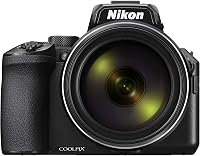
The Nikon COOLPIX P950's 83x optical zoom and stated 2000mm maximum focal length make it the reach-focused choice here. Its Bird mode and 4K video also give birders useful options for stills and moving scenes.
Long zoom doesn't guarantee a sharp result. Support the camera when you can, keep your shutter speed fast enough for moving wildlife, and take time to focus before a bird or animal changes position.
For more choices and advice about photographing birds, see our guide to cameras for birding and backyard birds. If you mainly photograph fast action, compare options in our sports photography camera guide.
Can a bridge camera work for travel?
A bridge camera can work for travel if you want one lens for wide scenes and distant details. The trade-off is carrying a camera that's larger than a small compact or phone.
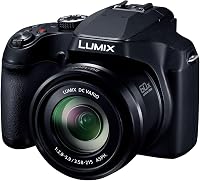
The Panasonic LUMIX FZ80D/FZ85D is the travel-minded pick in this group, with a 20–1200mm equivalent range, a compact body, and USB-C charging. Its OLED viewfinder and touch LCD offer two ways to frame and review photos.
The Kodak PIXPRO AZ528 is another option if you want a 52x optical zoom and phone sharing through built-in Wi-Fi. Its 24mm wide-angle view also gives you room to frame landscapes before zooming in on a distant detail.
Before choosing a long zoom for a trip, picture yourself carrying it for a full day. A broad range is useful only when the camera is comfortable enough to bring along.
Compare smaller options in our travel zoom camera guide.
How should you choose a bridge camera?
Choose by the subjects you photograph, the range you need, and the controls you'll use, then compare camera size and screen or viewfinder options. Don't select by zoom number alone.
For distant birds, wildlife, or aircraft, the P950 offers the longest stated reach among these three cameras. If you want a broad range for travel and value USB-C charging, consider the Panasonic FZ80D.
The Kodak AZ528 fits priorities like 52x zoom and Wi-Fi sharing.
Stabilization matters when you shoot at long focal lengths because small hand movements become more noticeable as you zoom in. A viewfinder can make outdoor framing easier when a bright screen is hard to see, while a screen that moves or tilts can help you compose from different angles.
Think about video and action as well as still photos. The P950 records 4K UHD video, and the Panasonic offers 4K Photo recording at 30 frames per second.
The Kodak records 1080p video with 6 fps continuous shooting, so match these features to what you'll record.
What setup and use tips help with a bridge camera?
Start with a charged battery and a compatible memory card, then set the date, image quality, and file format before your first outing. Read the camera's controls so you can quickly find zoom, focus, and exposure settings.
Practice at home by framing a nearby subject at wide angle, then zooming in gradually. At long focal lengths, brace your arms, use a stable surface when available, and take several frames if the subject is moving.
Use optical zoom for reach and avoid relying on digital zoom when image detail matters. Keep the lens cap on when the camera is stored, and use a clean, soft cloth for dust on the camera body.
Follow our guide to cleaning a camera lens for lens care.
What common bridge camera buying mistakes should you avoid?
The most common mistake is choosing the biggest zoom number without considering size, stabilization, and handling. A very long lens range can be hard to use if you don't want to carry the camera or struggle to frame a distant subject steadily.
Another mistake is assuming a bridge camera can grow with you like an interchangeable-lens system. Its fixed lens makes the kit simple, but you can't add a different lens later for a new kind of photography.
Don't assume that every camera in this category has the same viewfinder, screen, video, or controls. Check the exact features that matter for your use, and decide whether you need 4K video, phone sharing, a particular viewfinder, or burst shooting before you buy.
Who should buy a bridge camera, and who should skip it?
Buy a bridge camera if you want substantial zoom in a single camera and value convenience over changing lenses. It can be a sensible fit for travel, wildlife, birds, and sports when you want to frame subjects at different distances without building a lens kit.
Skip it if you already know you'll want interchangeable lenses, or if a large camera will stay at home. A small compact may suit everyday carry better, while a DSLR or mirrorless camera is a better path if you want a system you can expand.
Choose the Nikon COOLPIX P950 for the longest reach and Bird mode, the Panasonic LUMIX FZ80D for travel with 4K Photo and USB-C charging, or the Kodak PIXPRO AZ528 for 52x zoom and Wi-Fi sharing. Start with the best bridge cameras with a big zoom to compare more options against your priorities.
Frequently asked questions
What is a bridge camera used for?
A bridge camera is used for subjects that benefit from a wide zoom range, such as travel scenes, wildlife, birds, and sports. Its fixed lens lets you move from a wide view to a distant subject without carrying or changing lenses.
Is a bridge camera good for beginners?
A bridge camera can suit a beginner who wants built-in zoom and room to learn exposure controls. The fixed lens keeps the kit simple, while a broad zoom range helps frame subjects at different distances.
Compare size, controls, and viewfinder options before choosing one.
What is the difference between a bridge camera and a DSLR?
A bridge camera has a fixed lens, while a DSLR accepts interchangeable lenses. A bridge camera can give you a long zoom in one body, so you avoid lens changes.
A DSLR lets you choose lenses for different jobs and may offer a larger sensor, depending on the camera.
Do bridge cameras have interchangeable lenses?
No. A bridge camera has a fixed lens built into the camera.
You can zoom through its available range, but you cannot remove that lens and mount another one as you can with a DSLR or mirrorless camera.